
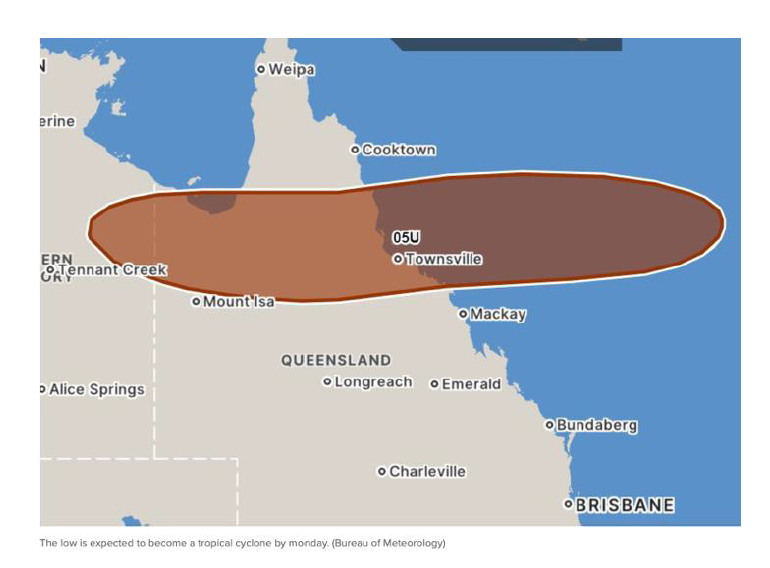
Another week, another strange weather event. In a summer where it feels like we have an extreme weather event occurring somewhere in the country every day, it is set to continue again this week in QLD with the forming of a Tropical Cyclone off the coast of Far North QLD (FNQ) that could track south Westerly, and gain strengthen as the week continues. This, once again, will likely have some effect on fruit production in FNQ that will have ripple effects across the total fruit category.
Around the rest of the country, we have been dealing with a number of extremes, each state has experienced extreme heat, humidity, rainfall and intense storms. Most growing regions are well past their historical averages for the month for rainfall but are having maximum temperatures on normal trends. Growing regions are significantly up on average humidity and minimum temperatures. All in all, it has made for very difficult growing conditions; however, on the whole, quality has been better than you would imagine with the above variables.
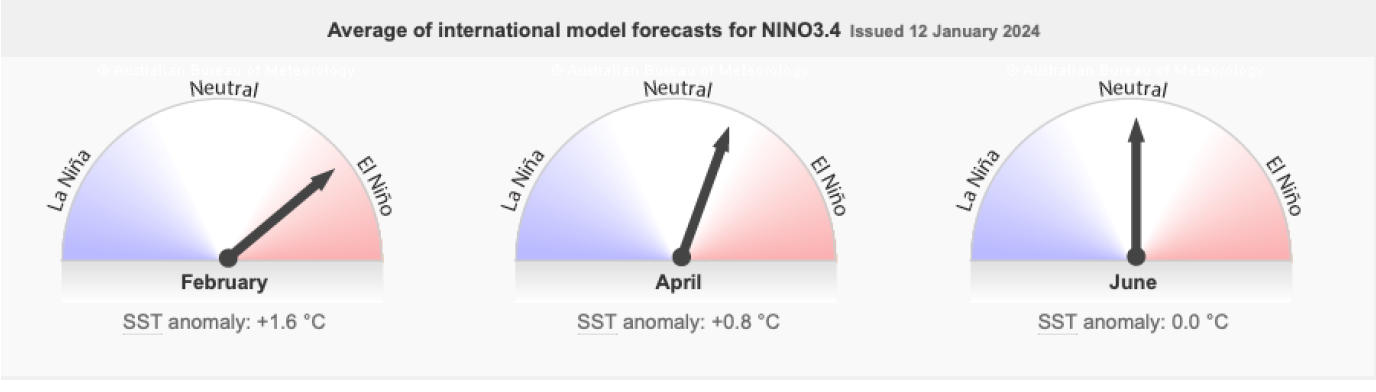
Where are we at with El Nino?
While we are currently in the middle of an active El Nino, we can expect it to back off by autumn and then be neutral mid-year. This will bring much relief to growers as it will set up a good pollination season.
What is happening in the Berry categories?
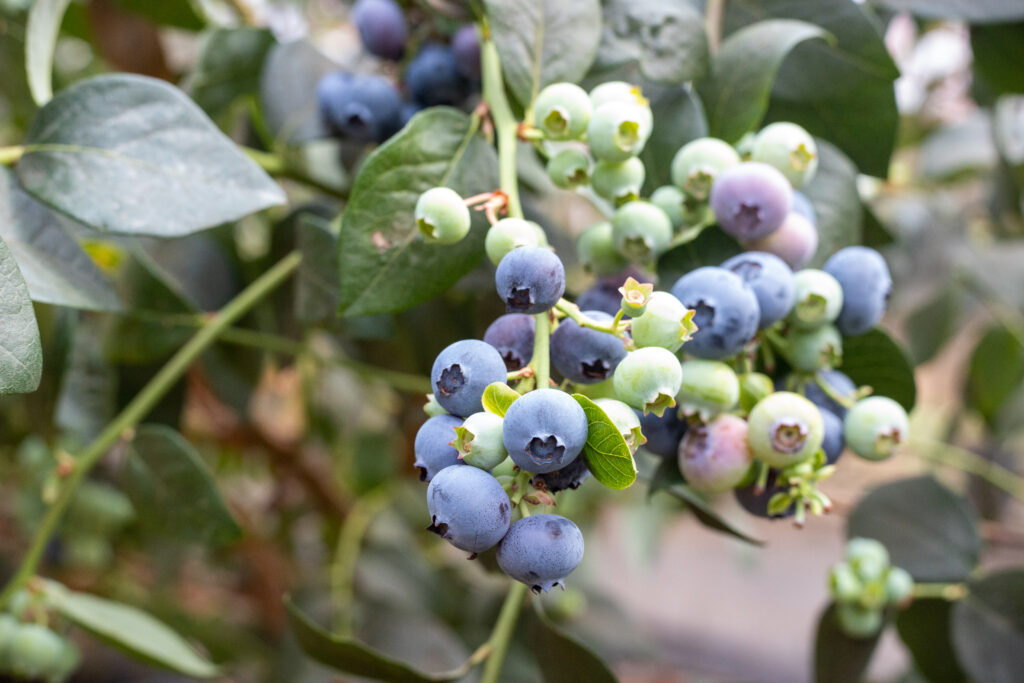
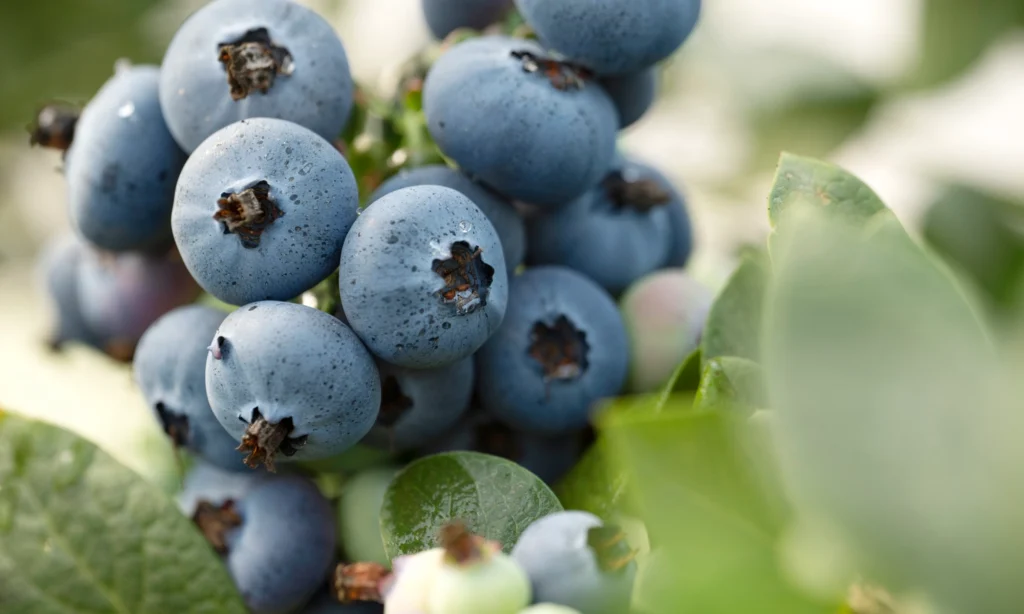
Blueberries – Whilst there is still volume from the Coffs Coast region, forecasted rain within the next ten days may impact their ability to harvest the fruit. Quality will be the biggest concern, with retail prices expected to move about $3.00 for the first time since mid-November when we were in between the Southern Highbush and Rabbit eye crop. We should also note that as of tomorrow, all major retailers nationwide will be back in 125g packaging. Strong Northern Highbush volumes are starting to come from VIC/TAS, and there have been discussions regarding when we expect to see more NZ fruit come into the country. We believe this could be in the next 7-10 days based on the weather we expect early next week in Northern NSW. Volumes in WA have dropped considerably in the last two weeks, and we can expect retail for 125g to be around the $4 to $4.50 mark for the 125g punnet. New Zealand fruit will likely hit this market first and could be in early next week.
Strawberries – Pricing in Victoria in the same week last year was, on average, at $2.20 in stores per punnet; in contrast prices are expected to be between $2.70 and $3.00 this week. This factors in a large percentage of second-year plants removed in addition to the extremely hard harvesting conditions. We expect demand to increase over the backend of the week in anticipation of going back to school. Tasmanian production is expected to be consistent up until mid to late February. Volumes in WA are expected to be producing more into February; however, based on history, we expect demand to absorb the additional fruit with return to school.
Raspberries – We expect volumes to kick off from South East QLD and Northern NSW in the coming weeks, coinciding with the next flush of volume out of Tasmania for a couple of weeks. We expect the price to come under more pressure in the next 14-21 days as Raspberries will become the main crop, with Blackberries in the next four weeks, where the focus will drop away from Blueberries and Strawberries.
Blackberries – Whilst volume increased week on week, we saw prices remain flat nationally for the week. We expect volumes to increase over the next month.