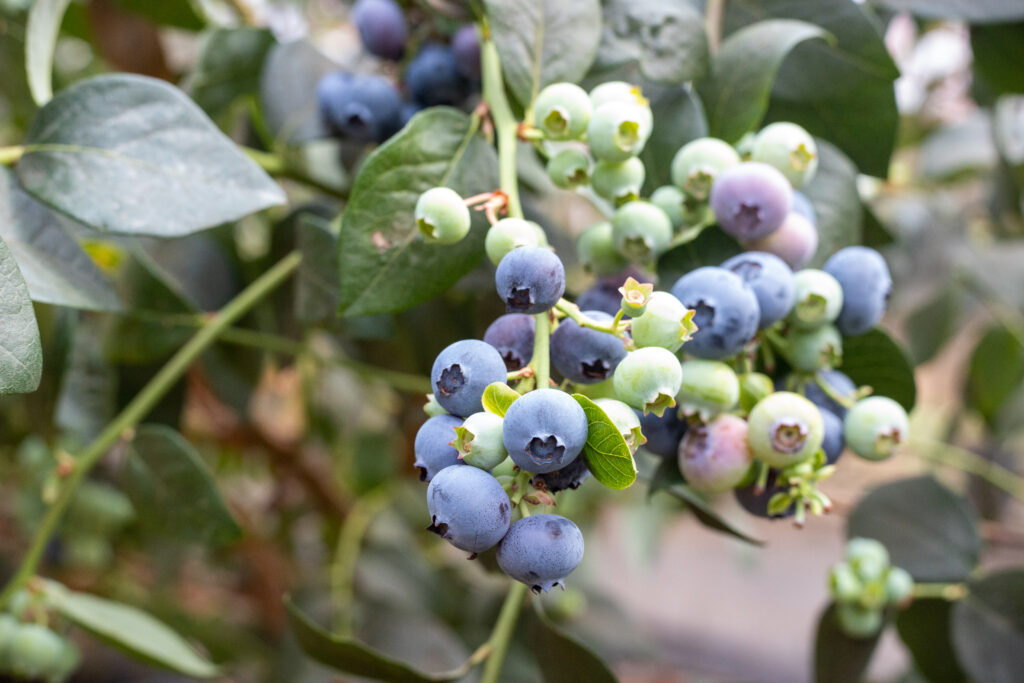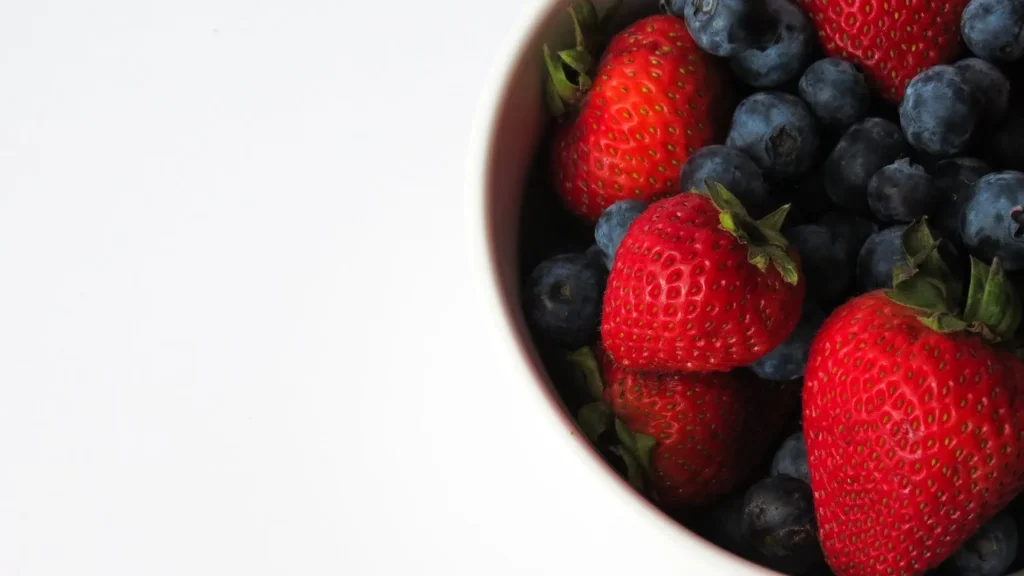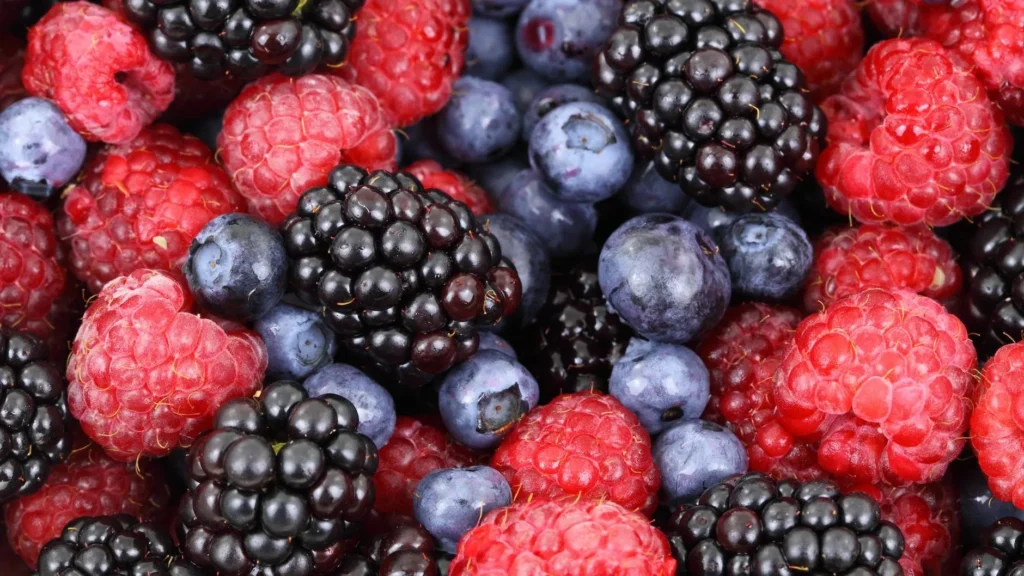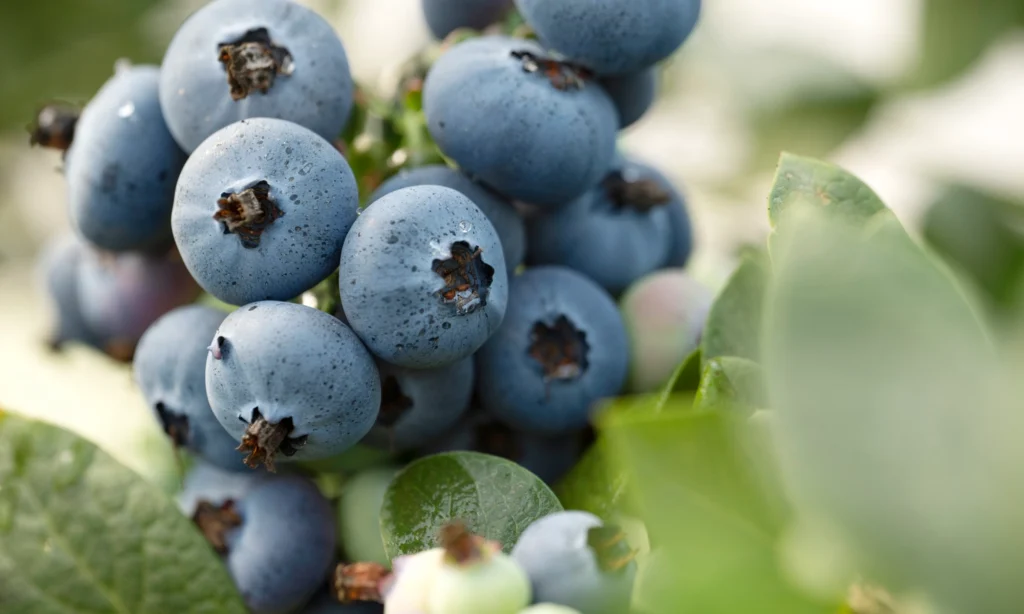
New research presented at the European Association for the Study of Diabetes (EASD) meeting in Madrid reveals that certain foods consumed in childhood may influence the risk of developing type 1 diabetes (T1D). The study, led by Professor Suvi Virtanen from the Finnish Institute for Health and Welfare, tracked 5,674 Finnish children genetically predisposed to T1D from birth to age six. Results showed that higher consumption of fruit, oats, rye, bananas, and fermented dairy products increased the risk of T1D while eating berries and cruciferous vegetables (like broccoli and cabbage) reduced the risk.
T1D is an autoimmune condition where the immune system attacks insulin-producing cells in the pancreas. The cause is believed to be a combination of genetic and environmental factors, though the exact triggers remain unclear. The condition, the most common form of diabetes in
children, is on the rise worldwide, with cases projected to double by 2040 and can cause eye, heart, nerve and kidney problems and shorten life expectancy.
The research is significant as it evaluates an entire diet for the first time in connection with T1D. Berries, rich in polyphenols, are thought to reduce inflammation, offering protective effects, while other fruits might contain harmful substances that don’t occur in berries. However, more studies are needed to confirm these findings before dietary recommendations can be made.
SOURCE:https://www.miragenews.com/fruit-and-oats-may-raise-diabetes-risk-berries-1311871/