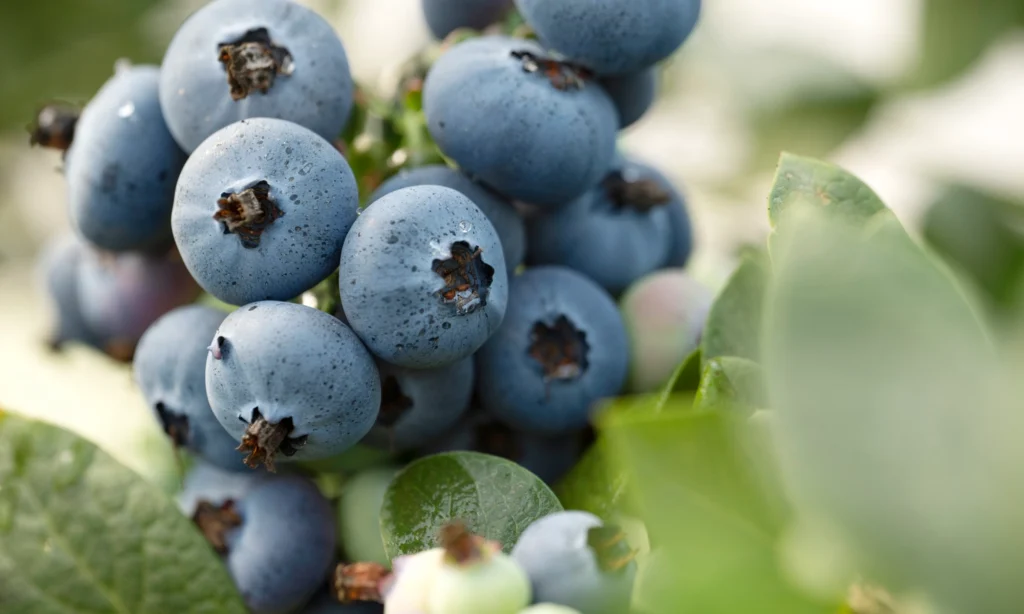
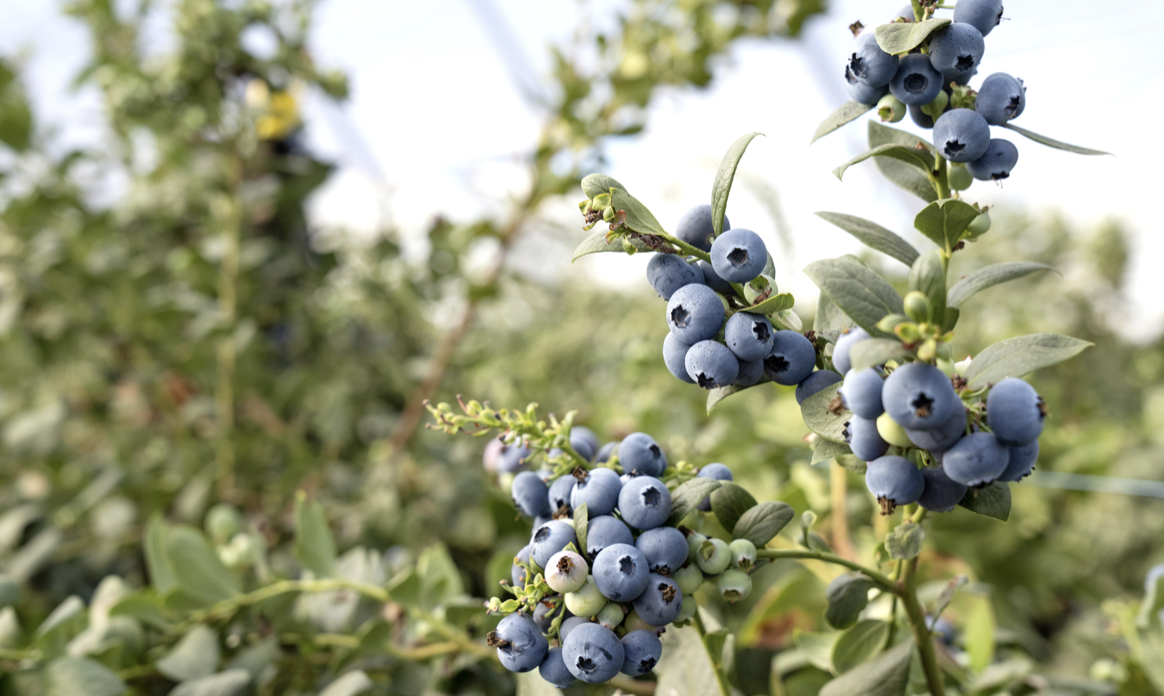

The United States is experiencing a significant blueberry shortage due to a poor harvest in Peru, the world’s largest blueberry exporter. This shortage is primarily attributed to extreme heat from this year’s El Niño weather pattern, which adversely affected Peru’s blueberry crop. As a result, the supply of blueberries from Peru to the U.S., which accounts for about a third of America’s total supply of 600,000 tonnes, has dropped drastically.
The impact on the market is notable. Retail prices for blueberries have soared by 60% since early September, now nearing USD$13.20 per Kg. In the last two months alone, the price per punnet has increased by $2. This price hike accompanies a significant drop in sales volume, with 12,000 tonnes less sold compared to the previous year.
Peru’s role as a major blueberry supplier to the U.S. has grown substantially since 2013 when it first exported over 400 tonnes to the U.S. By 2022, the U.S. had imported 160,000 tonnes of blueberries from Peru, a nearly ninefold increase since 2016. However, blueberries require cooler temperatures for optimal growth, and the unusual heat has led to a reduced harvest this year.
This shortage has occurred despite the growing popularity of blueberries in America and increasing demand in Europe and Asia. The blueberry industry is now focusing on identifying heat-resistant blueberry varieties to mitigate the impacts of climate change on future crops. Kasey Cronquist, president of the U.S. Highbush Blueberry Council and the North American Blueberry Council, anticipates a return to normal supply levels by spring with the onset of the
North American growing season. However, there is still uncertainty about the potential effects of El Niño on next year’s harvest.
Sorvino, C. (7/11/23), Blueberry shortage hits American Supermarkets, Forbes Magazine