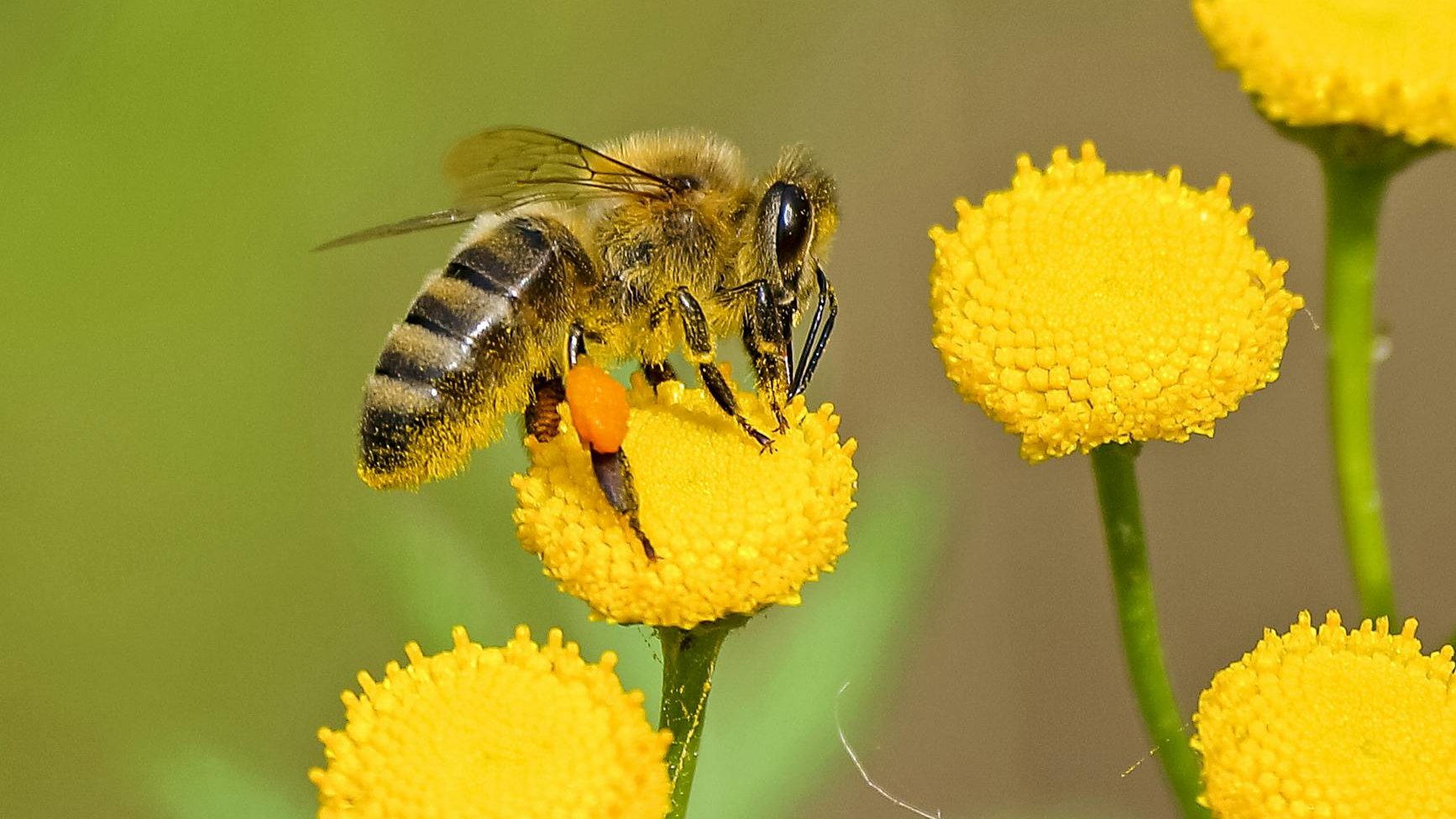

NSW beekeepers are warning that varroa mite infestations are intensifying across the state, driving up the cost of hive treatments and threatening both the beekeeping industry and grower’s dependent on pollination. The NSW Apiarists Association is urging the state government to introduce grants to help cover escalating treatment and labour costs. Association president Matthew Skinner said commercial beekeepers are facing tens of thousands of dollars in extra expenses, with some already leaving the industry. He warned that reduced bee numbers would push up food prices, given that one-third of food production relies on pollination.
The impact is already being felt by major horticultural sectors. Almond growers, who require more than 300,000 hives annually, have seen pollination costs rise from about $30 per hive to as high as $200, with an extra $50 added since varroa was detected. The Almond Board of Australia fears future shortages and is exploring self-fertile varieties, but switching varieties takes decades to fully realise due to long orchard lifecycles.
Apple growers are also reporting significant crop failures. In Bilpin, some orchards yielded as little as 5–10% of normal fruit volumes. Growers believe feral bee populations have collapsed and that introduced hives were diverted by competing eucalypt flowering. Losses run into hundreds of thousands of dollars.
Despite the mounting economic fallout, the NSW Department of Primary Industries says current policy has shifted from eradication to management, and no new funding or grants are available. Officials are investigating causes of poor fruit set in Bilpin, but beekeepers warn the situation will worsen as costs rise and more apiarists consider leaving the industry—threatening hive supply and, ultimately, pollination-dependent crops.
SOURCE:https://www.abc.net.au/news/2025-11-26/varroa-mite-impacts-worsen-nsw-beekeepers/106049860