
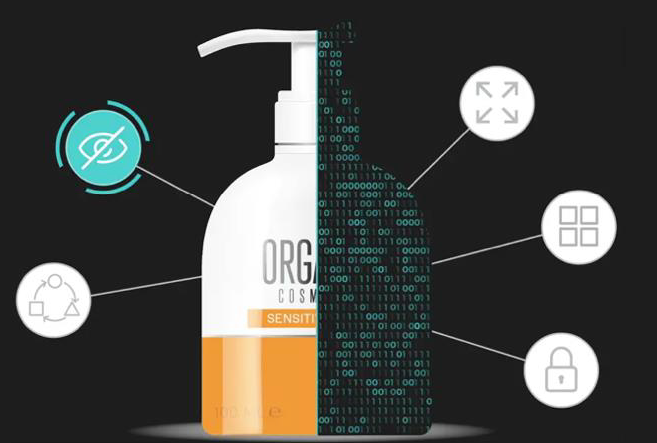
Whilst it has been around as a trial since 2019, Walmart is now rolling invisible barcodes across “Great Value” range to enhance the self-checkout experience. Developed in collaboration with Digimarc, this technology embeds barcodes across the packaging, allowing customers to scan items without locating a specific barcode. This innovation aims to make checkout faster and reduce theft, a significant issue for retailers, including Walmart, which has reported substantial losses at self-checkout.
Invisible barcodes use an image-recognition system that scans multiple items at once, potentially decreasing line times and improving customer satisfaction. Additionally, Walmart’s implementation addresses theft concerns by ensuring every item passes by the scanner more reliably, helping prevent missed scans.
The Digimarc Barcode doesn’t require special inks or complex printing processes to embed the GTIN number. Instead, an algorithm adjusts the print data to create tiny dots that hold the information, readable only with image-based scanners and compatible software.
Will we see this in Australia soon? While the technology holds promise, challenges remain, such as the high initial cost of upgrading scanners and resistance from national brands to alter packaging. If successful, however, Walmart’s invisible barcode system could set a new standard in retail, paving the way for widespread adoption as stores look to balance efficiency, cost, and enhanced security in customer interactions.
https://www.digimarc.com/product-digitization/data-carriers/digital-watermarks